

child-centered play therapy
where play becomes a path to healing

take the quiz + find a therapist that fits your kids!
where feelings can play
Children don’t always have the words to explain what they’re feeling — but they do know how to play.
Child-centred play therapy is a developmentally appropriate, evidence-based approach that allows children to express thoughts, feelings, and experiences through play — their natural language. In a safe, supportive space, children use toys, art, imagination, and storytelling to explore big emotions, build self-regulation skills, and make sense of their world.
At wellbe, play therapy isn’t about fixing or correcting behaviour — it’s about understanding what your child is communicating and helping them feel seen, supported, and empowered - without needing them to have all the words.
who is play therapy helpful for?
Child-centred play therapy can support children who are experiencing:
anxiety or worry
emotional regulation challenges
big feelings, meltdowns, or withdrawal
neurodivergence (including ADHD and autism)
school stress or social challenges
changes in family dynamics (separation, new siblings, transitions)
difficulty expressing thoughts or emotions with words
It can be especially helpful for children who struggle to talk about what’s going on — or who don’t yet have the language to do so.
what does a session look like?
Each play therapy session is designed to feel safe, welcoming, and child-friendly.
Your child may choose to:
play with toys or figurines
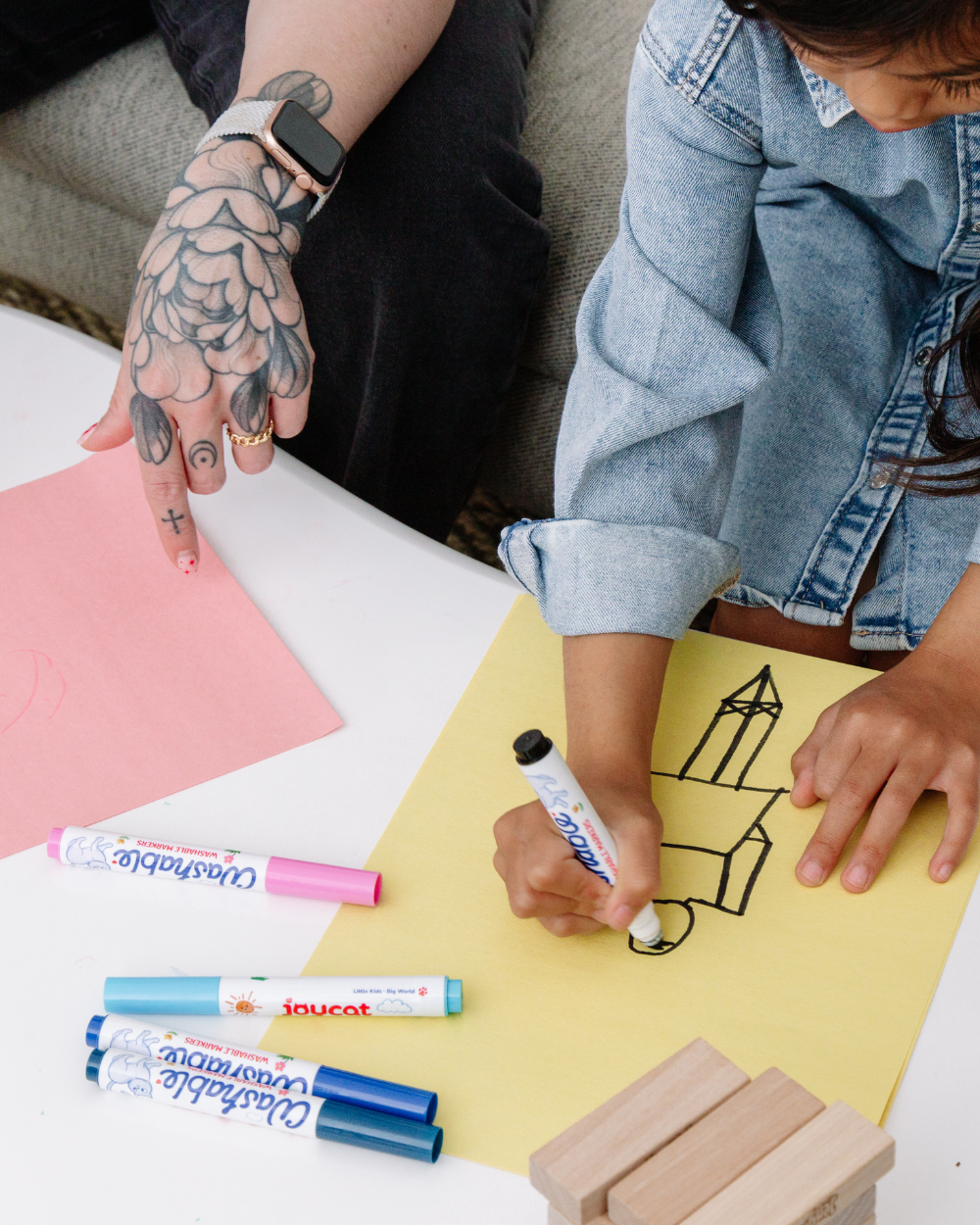
draw, build, or create
use imaginative or pretend play
move their body or explore sensory materials
There’s no right or wrong way to play.
The therapist’s role is to create a consistent, trusting relationship — offering reflections, emotional support, and gentle guidance that help your child process feelings, practice self-regulation, and develop emotional resilience over time.

support for parents, too
We know that when a child is struggling, parents often feel worried, overwhelmed, or unsure how to help — and you don’t have to navigate that alone.
While play therapy sessions are centred on your child, our therapists also support parents through:
check-ins and parent sessions
guidance on understanding your child’s emotional world
tools and strategies to support regulation and communication at home
You’re an important part of your child’s support system, and we’re here to guide you, too.
our approach at wellbe
At wellbe, child-centred play therapy is part of a thoughtful, whole-child approach to mental health care.
We believe children thrive when they feel:
safe
understood
supported in age-appropriate ways
Our therapists meet children where they are, using evidence-based practices that respect each child’s unique personality, nervous system, and lived experience — while keeping therapy engaging, accessible, and even fun

finding the right therapist matters
Finding the right therapist for your child can feel overwhelming — but it makes all the difference.
That’s why we created our matching quiz to help guide you toward a therapist who fits your child’s needs, personality, and stage of development.
Take the quiz + find the right therapist for your child:
meet your team
your wellbe therapists
-

Psychotherapy
FAQs
If you have any questions about therapy for kids use our chat box, or contact us.
-
Play therapy is commonly used with children ages 3–12, but can be helpful for older children depending on their needs and comfort with expressive approaches.
-
Play is the therapy. Through play, children communicate feelings, process experiences, and practice emotional regulation in ways that feel natural and safe.
-
Every child is different. Some children benefit from short-term support, while others need longer-term care. Your therapist will regularly review progress and discuss next steps with you.
-
Yes. While sessions are child-centred, parents are an important part of the process. Therapists offer parent check-ins, guidance, and support to help reinforce emotional skills at home.
-
Play therapy can support children experiencing anxiety, emotional regulation challenges, neurodivergence, social difficulties, school stress, bullying, family changes, or difficulty expressing emotions.
-
Finding the right fit matters. Our matching quiz helps guide you toward a therapist who aligns with your child’s needs, personality, and stage of development.
👉 take the quiz + find a therapist for your child: click here
looking for additional wellbe-ing support? explore our services.


