
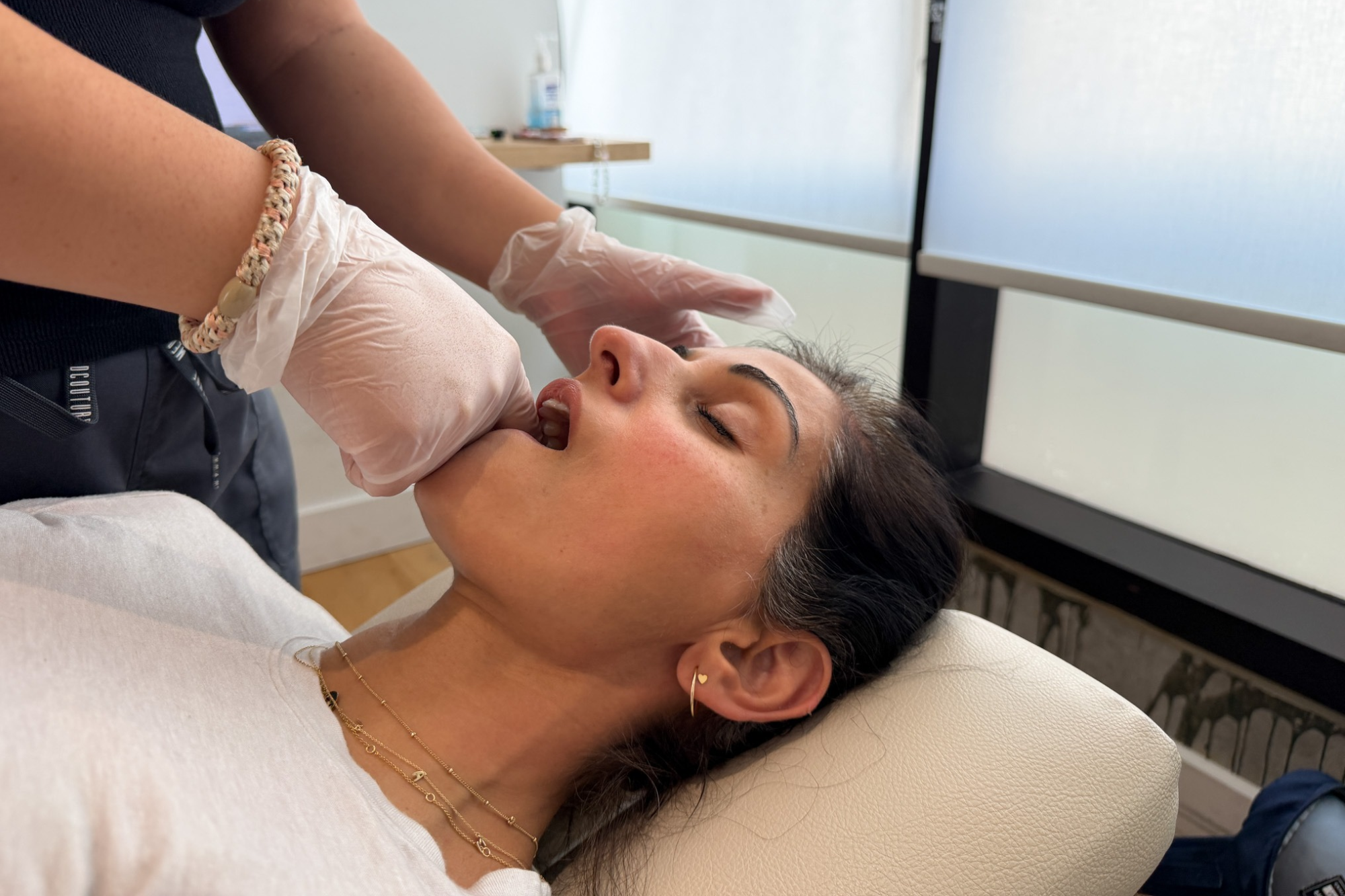
advanced TMJ & headache assessment and treatment
jaw pain, clicking or headaches getting in the way? we can help.
jaw pain, painful jaw popping or clicking, or headaches can make everyday things—like eating, talking, or yawning—feel harder than they should.
These can be signs of a temporomandibular disorder (TMD), also known as TMJD, which affects the temporomandibular joint (TMJ)—the joint that connects your jaw to your skull—and the muscles that help your jaw move.
Our focused assessment looks at your jaw, head, and neck together. We’ll take the time to hear what’s been going on, understand how it’s affecting your day, and help you find a thoughtful next step to relieve pain and discomfort.
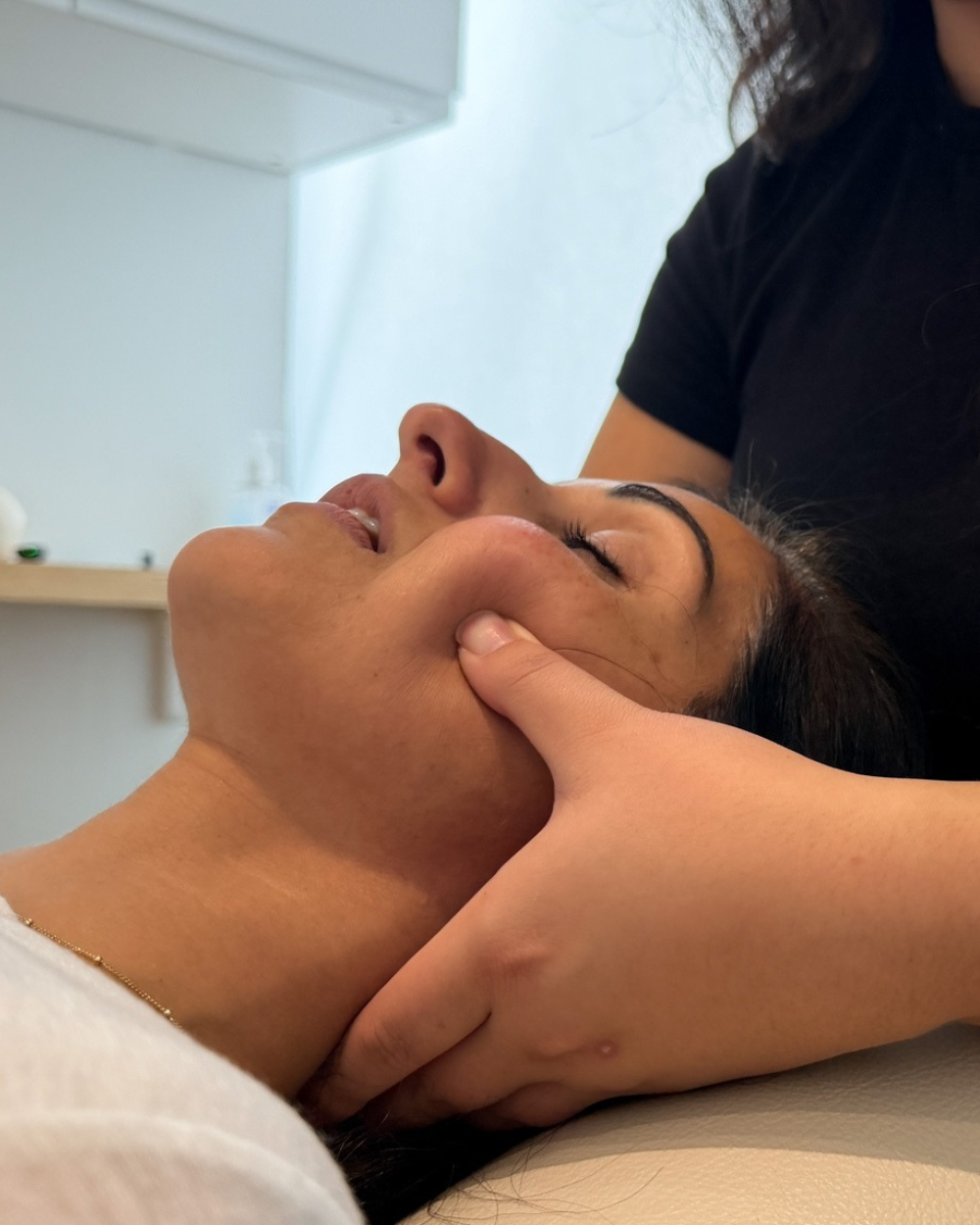
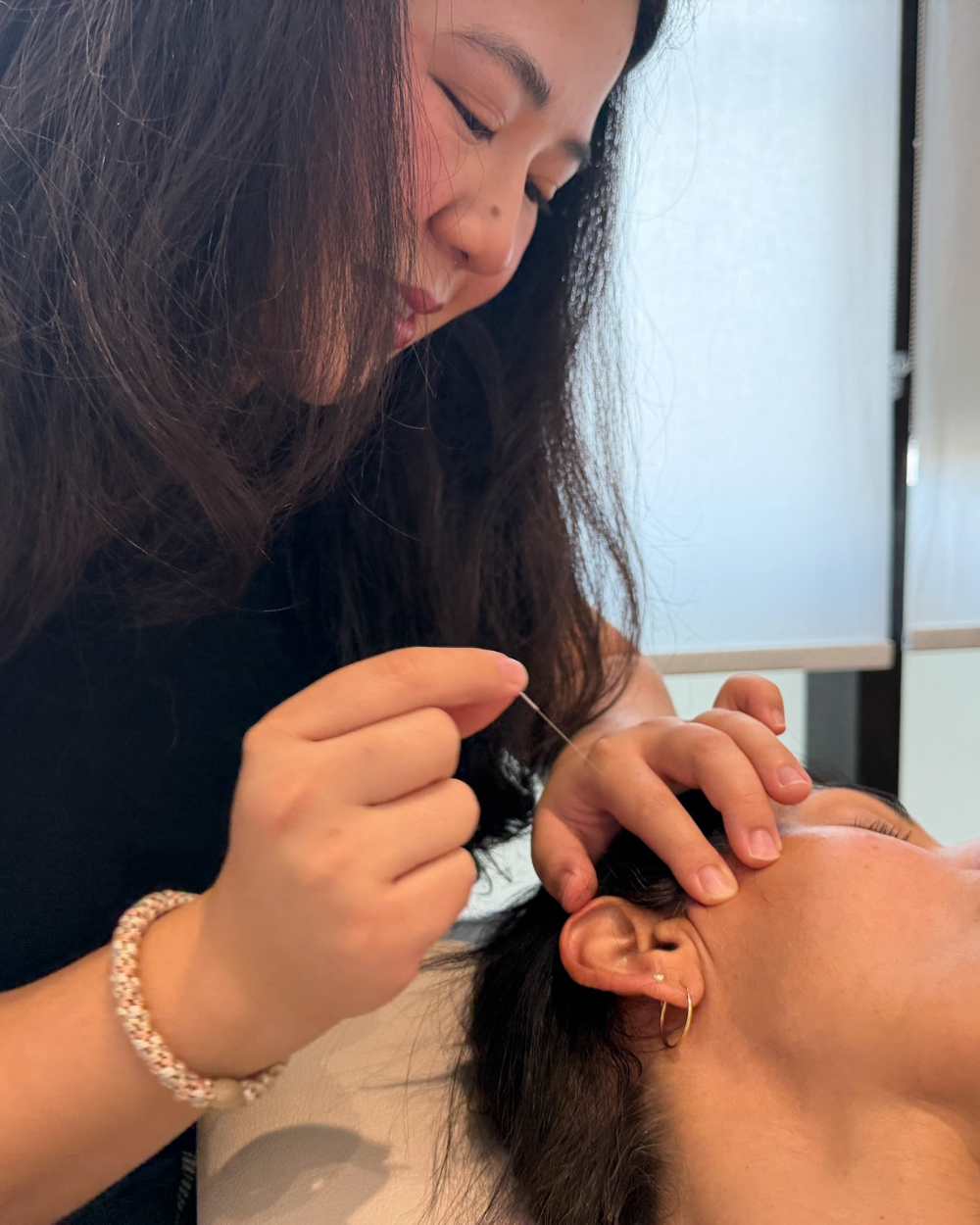

a closer look at your jaw, head + neck
Your jaw doesn’t work on its own. The joints and muscles involved in chewing, speaking, and yawning work closely with your head and neck, so symptoms can overlap.
At wellbe, our practitioners have advanced training in TMJ assessment and treatment and will take the time to listen, ask the relevant questions, and assess your jaw movement and function, the muscles around your jaw, and your neck and headaches. You’ll learn about the findings and what they may mean for you.
Your first visit includes both assessment and treatment. After talking through your symptoms and completing a comprehensive examination, your practitioner will explain what they’ve found and begin care suited to your needs. You’ll leave with practical strategies to try at home and a clear plan for what comes next.
Your care plan will reflect your symptoms, priorities, and progress. When helpful, and with your consent, we’ll share a report with your dentist or physician so they’re up to date on our findings and your progress. No referral is needed to book.
could it be my jaw?
common TMJ symptoms
TMJ disorders can affect the jaw joints and surrounding muscles. Symptoms can look different from person to person. You may benefit from a focused assessment if you're experiencing:
Jaw or facial pain, tenderness, or tension
Painful clicking or popping, catching, or episodes of locking
Difficulty or discomfort when opening your mouth, chewing, or yawning
Headaches alongside jaw or neck symptoms
Recurring clenching or jaw tension that’s affecting your comfort or daily activities
Jaw or neck symptoms following an injury, whiplash, or dental procedure
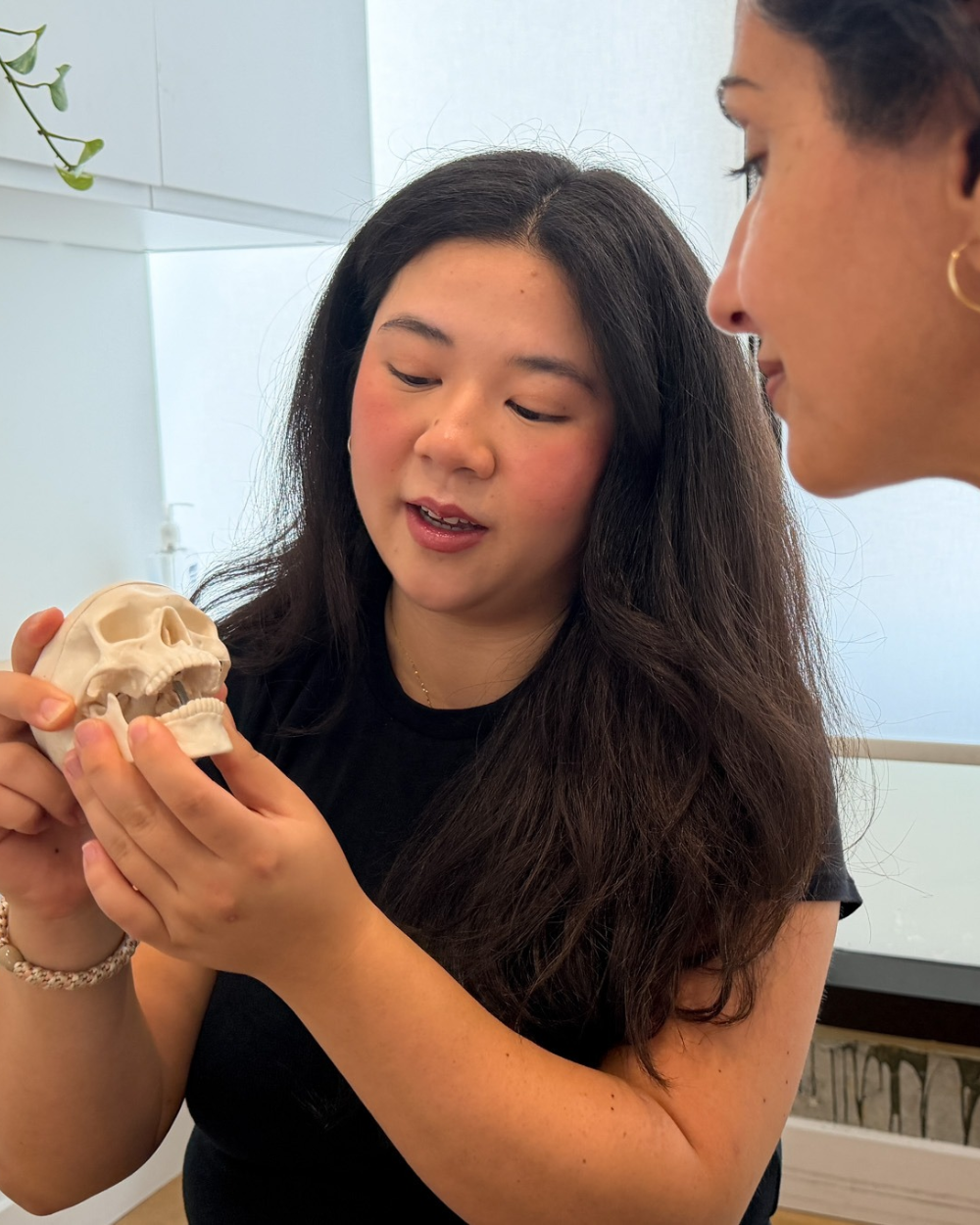
You don’t have to work out the cause on your own. We’re here to help you understand what’s going on and find a thoughtful next step.
our approach to TMJ assessment + treatment
A closer look at the whole picture
Jaw pain can have more than one contributor. Your jaw, face, head and neck work together, and things like clenching, past injuries or everyday habits may play a part. We take time to hear your story, understand what’s been bothering you and assess the areas that may be connected.
Depending on your symptoms, your assessment may include:
How your jaw moves and how comfortably you can open and close
Clicking, popping, catching or other changes in jaw movement
The muscles around your jaw and face, and how your head and neck are moving
Your bite, when relevant to your concerns
Activities, habits or triggers that may affect your symptoms
We’ll explain what we find in clear, everyday language and make space for your questions and concerns.
care that fits you
Your treatment plan will be shaped around your symptoms, goals and how you respond to care. It will always include hands-on treatment, jaw-specific exercises, neck mobility work, and practical guidance for managing symptoms in your day-to-day life. We’ll check in on your progress and adjust your plan with you along the way.
connected care,
when you need it
Sometimes jaw symptoms benefit from input from other health professionals. With your consent, we can share a report with your dentist or physician to support communication across your care team. If your needs fall outside our scope, we’ll help you understand what kind of follow-up may be appropriate.
Our TMJ assessment and treatment services are available at wellbe's Leslieville location in Toronto.
meet your team
-

Physiotherapist
FAQs
If you have any questions about TMJ support use our chat box, or contact us.
-
OK, quick anatomy lesson incoming.
TMJ or Temporamandibular joint is the jaw joint itself. TMD or TMJD (Temporomandibular Joint Disorders) refers to all the issues/concerns affecting the jaw joint and the muscles around it. Symptoms can include jaw pain or stiffness, difficulty opening your mouth, or painful clicking. An assessment can help you understand what may be contributing to your symptoms.
-
Yes! Jaw, face, head, and neck symptoms sometimes occur together, though they can also have other causes. Your practitioner will look at the areas relevant to your symptoms and help you understand what may be connected. It’s the reason why this area of the body is so complex and super hard to diagnose!
-
Clicking or popping without pain is common and doesn’t always need treatment. If it’s painful, your jaw catches or locks, or you’re having difficulty opening or chewing, an assessment may help clarify what’s going on. Regardless, it’s always best to consult with your health care practitioner or TMJ practitioner.
-
TMJ treatment may help manage discomfort related to jaw clenching. Your practitioner can assess how clenching may relate to your symptoms and work with you on strategies, exercises, and care to support jaw comfort and function. If you grind your teeth, your dentist can also advise you about protecting your teeth.
-
You can expect a practitioner who listens as you talk through your symptoms, history and goals and helps you understand what’s actually going on. We will ask relevant questions, assess your jaw movement and function and give you a plan of care that is based on YOU and your needs.
-
Not necessarily. Intra-oral assessment or treatment may be helpful for some people, but it isn’t required for everyone. Your practitioner will explain it first, ask for your consent, and check in with you throughout. You can ask questions or pause at any time.
-
Dental care and our treatment and assessment can complement one another. Your dentist focuses on your dental health; this assessment focuses on jaw movement and function, the surrounding muscles, and related head or neck symptoms. It doesn’t replace dental care.
-
There’s no set number of visits or timeline. Your practitioner will recommend follow-up based on your assessment, goals, and progress, and adjust the plan as you go.
-
You don’t need a referral to book. The service is billed under your practitioner’s discipline—physiotherapy or chiropractic. Coverage depends on your plan and provider eligibility, so check with your insurer.
-
Yes! Physiotherapists with advanced training in TMJ care can assess your jaw movement, surrounding muscles, and related head and neck symptoms. Depending on your needs, treatment may include hands-on care, jaw-specific exercises, neck mobility work, and strategies to help manage discomfort in everyday life.